Pallet jack lifting failures directly affected throughput, safety, and maintenance costs in warehouses and industrial plants. This guide explained how hydraulic lift systems failed, what symptoms to look for, and which safety and compliance rules applied. It then walked through structured troubleshooting steps, from simple visual checks to bleeding air and separating linkage faults from pump problems. Finally, it covered repair methods for pumps, seals, and cylinders, including leak correction, rebuild-versus-replacement decisions, and the effective use of manuals and digital parts data to keep pallet jacks lifting reliably.
How Pallet Jack Lift Systems Fail
Pallet jack lift failures almost always traced back to predictable hydraulic and mechanical issues. Understanding these patterns allowed maintenance teams to diagnose quickly, minimize downtime, and decide whether to repair or replace. Failures typically involved loss of pressure, internal leakage, contamination, or mechanical misadjustment in the handle linkage and valve train. Systematic observation of symptoms, combined with targeted checks of fluid, seals, and cylinders, provided a reliable basis for troubleshooting.
Common Hydraulic Failure Modes
The dominant failure mode in hand pallet jacks was loss of hydraulic pressure due to air ingress or fluid loss. Trapped air in the pump or cylinder created a compressible volume, so handle strokes no longer generated sufficient pressure to raise the load. Low hydraulic fluid level, often from leaking seals, hoses, or fittings, reduced available oil volume and introduced further air into the circuit. Internal bypassing through worn O-rings, valve seats, or pump pistons caused pressure to bleed back into the reservoir instead of driving the lift cylinder. Contaminated fluid carrying dirt or water abraded seal lips and scored cylinder bores, accelerating leakage and reducing effective service life. Overloading beyond rated capacity, typically around 2 000–2 500 kg for standard hand jacks, overstressed cylinders and rods and could permanently deform components or crack seals.
Symptoms: Won’t Lift, Won’t Stay Up, Lifts Slowly
A pallet jack that would not lift at all usually indicated severe air entrapment, extremely low oil level, or a failed pump or valve. Operators often felt a “spongy” handle with little resistance when air occupied the hydraulic chamber. When a jack lifted but would not stay up, internal leakage past the lift cylinder seals, check valves, or lowering valve seats was likely, allowing oil to flow back to the tank. Slow lifting, especially under rated load, pointed to partial flow restriction, worn pump elements, contaminated or incorrect-viscosity oil, or marginal pressure due to minor air ingress. Noises such as grinding, whining, or cavitation during pumping suggested internal damage, misalignment, or aerated fluid. Reduced maximum lift height and gradual sinking under static load were further indicators of seal wear and internal bypass that required inspection and probable resealing.
Safety And Compliance Considerations
Lift-system failures carried direct safety implications, since unexpected lowering or inability to hold a load could cause crush or product-damage incidents. European FEM guidelines and similar regional standards required at least annual inspections of material handling equipment, including pallet jacks, to verify safe function of the hydraulic unit, forks, wheels, and brakes. Inspectors checked for visible leaks, damaged cylinders, bent forks, and non-functional controls, and they verified that the jack held a test load without sinking. Maintenance personnel needed to depressurize the hydraulic circuit, secure the jack on stable supports, and use appropriate personal protective equipment before opening any hydraulic component. Documented maintenance records, including fluid changes, seal replacements, and leak repairs, supported regulatory compliance and reduced the risk of failing periodic FEM or in-house safety audits. Consistent adherence to capacity labels, safe operating procedures, and inspection intervals significantly reduced the likelihood of catastrophic hydraulic failure in service.
Step-By-Step Troubleshooting When It Won’t Lift
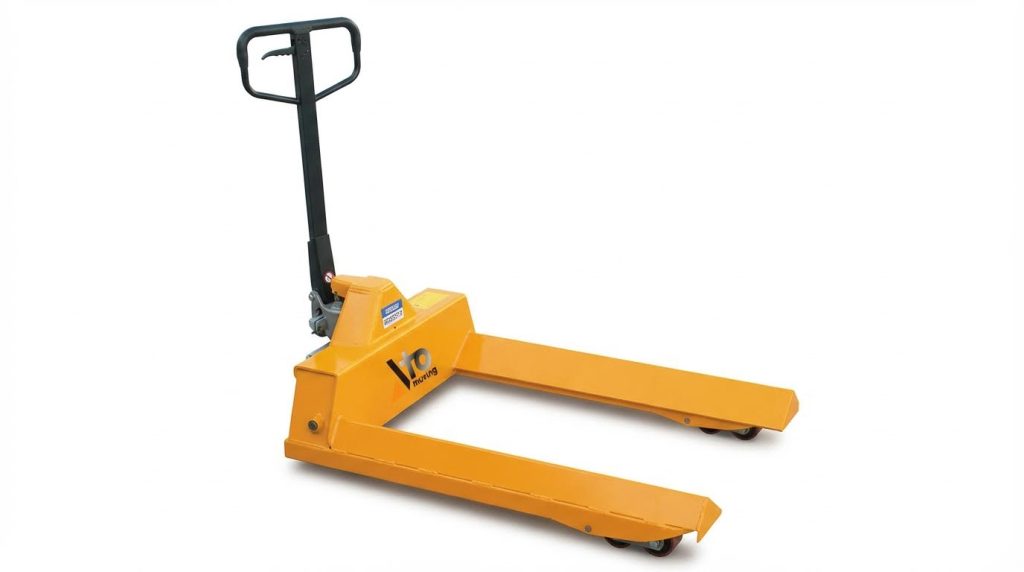
Systematic troubleshooting reduced downtime and avoided unnecessary component replacement. This section described a structured, field-ready sequence for diagnosing a pallet jack that failed to lift or hold load. The focus stayed on hydraulic causes, but the procedure started with simple external checks before opening the circuit. Each step built evidence so technicians could decide whether to repair, rebuild, or replace the hydraulic unit.
Quick Checks: Load, Controls, And Visual Inspection
Start with the pallet jack unloaded on a flat, stable floor. Confirm the rated capacity on the nameplate, typically around 2 000–2 500 kg, and verify the current load does not exceed it. Move the control lever through all positions and ensure the handle returns positively to the neutral position. A misadjusted or bent control linkage could hold the lowering valve slightly open and prevent pressure build-up.
Inspect the floor and chassis around the pump block and lift cylinder for hydraulic fluid. Fresh oil traces indicated external leaks or failed seals that reduced available pressure. Check steer wheels and load rollers for severe wear, flat spots, or misalignment that might be misinterpreted as a lifting issue. Examine forks, mast channel, and pivot pins for deformation or cracks, which could jam movement even if the hydraulic unit developed pressure correctly.
Bleeding Air From The Hydraulic Circuit
Air trapped in the hydraulic circuit had been the most frequent cause of pallet jacks not lifting or feeling “spongy.” With no load on the forks, place the control lever in the release or lower position as specified in the manual. Pump the handle fully through its stroke 10–20 times to cycle oil through the valve block and displace air back to the reservoir. Some models required a dedicated bleed screw near the pump; in that case, open it slightly while pumping until a steady, bubble-free oil stream appeared, then close it firmly.
After bleeding, set the lever to the lift position and test-lift an unloaded jack, then a moderate load well below rated capacity. If the jack now reached full stroke and held position without drift, air had been the root cause. Persistent sponginess, noisy operation, or rapid self-lowering indicated either remaining air, low oil level, or internal leakage across seals or valves. In those cases, proceed directly to fluid level verification and leak inspection.
Verifying And Topping Up Hydraulic Fluid
Low or degraded hydraulic fluid prevented the pump from generating sufficient pressure. Locate the reservoir fill plug on the pump housing, usually a threaded steel or plastic plug. With the forks fully lowered, remove the plug and visually check the fluid level; it should sit roughly 20–25 mm below the top of the fill port, not overflowing. Use only the hydraulic oil grade specified in the service manual, typically an ISO VG 32 or 46 fluid, and avoid mixing incompatible types.
Top up slowly using a clean funnel and filtered oil to minimize contamination. After refitting the plug, bleed the system again to remove any air introduced during filling. Check fluid color and clarity; dark, milky, or particle-laden oil suggested water ingress or wear debris and justified a full drain, flush, and refill. Recheck for external leaks at hoses, fittings, cylinder rod seal, and valve block, since topping up without correcting leakage would only provide short-lived improvement.
Isolating Handle Linkage Vs Pump Faults
If correct bleeding and fluid level did not restore lift, isolate whether the fault lay in the mechanical linkage or the hydraulic pump group. Disconnect the lifting link or chain between the operating handle and the pump’s control lever, following the service manual to avoid damaging pins or circlips. Manually position the pump lever in the lift position and stroke the handle. If the unit now lifted the forks normally, the handle linkage or control head required adjustment or component replacement.
If the jack still failed to lift with the linkage disconnected, the problem resided inside the pump, valve block, or lift cylinder. Typical internal causes included worn pump pistons, damaged check valves, or bypassing seals and O-rings. At this point, a seal kit or O-ring replacement, or a complete hydraulic unit rebuild, became the logical next step. Documenting symptoms, earlier test results, and any observed leaks helped determine whether a repair, factory-exchange unit, or full pallet jack replacement offered the best life-cycle cost.
Repairing Hydraulic Pumps, Seals, And Cylinders
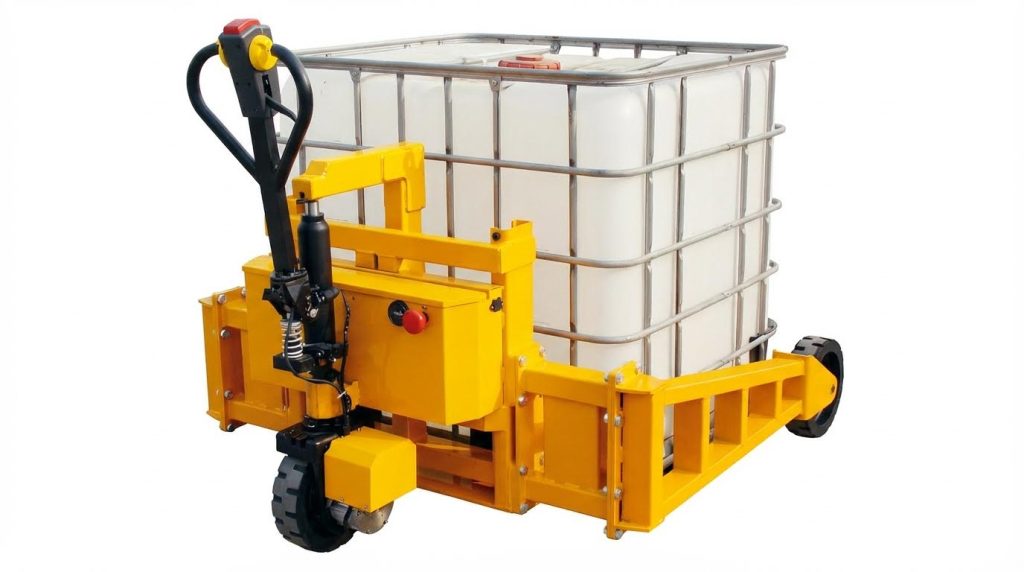
Hydraulic repair on pallet jacks focused on restoring pressure containment, flow control, and cylinder integrity. Most lifting failures traced back to worn sealing elements, internal leakage, or aerated and degraded fluid. Effective repair required a structured approach covering O-rings and valves, external leak points, cylinder condition, and the decision to rebuild or replace the hydraulic unit. Technicians relied on accurate documentation and parts data to avoid dimensional errors and ensure compatibility with the original design.
Replacing O-Rings, Seal Kits, And Valve Cartridges
O-rings and small seals in the pump and valve block controlled internal leakage and system holding pressure. When a pallet jack would not lift or would slowly sink, technicians often found flattened, cracked, or chemically degraded O-rings in the lowering valve or check valves. A typical repair procedure raised the drive wheels on stands, depressurized the unit, and drained the hydraulic reservoir before disassembly. The mechanic then removed the valve cartridge using pliers, extracted the old O-ring, cleaned the bore, installed the correctly sized replacement, and reassembled the cartridge with care to avoid twisting the seal.
Using a complete seal kit for the specific model reduced the risk of mixing incompatible elastomer materials or incorrect cross-sections. Service manuals or parts lists provided exact O-ring dimensions and hardness, usually in metric sizes, which technicians cross-checked at industrial suppliers. After reassembly, they refilled with the specified hydraulic oil, bled air by cycling the handle, and load-tested to confirm that lift height and holding capability matched factory performance. If correct O-ring replacement and bleeding still failed to restore pressure, the root cause often lay in scored pistons, worn pump bores, or cracked castings, which required deeper overhaul or replacement.
Fixing Leaks And Contaminated Hydraulic Fluid
External hydraulic leaks reduced effective fluid volume and introduced air, causing spongy lifting and loss of capacity. Technicians inspected the pump body, hose connections, lift cylinder gland, and around the lowering valve for wet, oily surfaces or puddles under the truck. Repair steps started with cleaning the suspected area, then tightening fittings to the specified torque or replacing damaged hoses, copper washers, or gland seals. For minor thread seepage, approved hydraulic sealants sometimes restored integrity, but damaged hoses and cracked fittings required replacement to maintain safety compliance.
Contaminated fluid, indicated by dark color, suspended particles, or milky appearance, accelerated wear of pumps and cylinders. Correct remediation drained the reservoir and cylinder, collected the waste oil in a pan for proper disposal, and flushed the system where recommended by the manufacturer. The mechanic then refilled with fresh hydraulic oil of the specified viscosity class and air-release properties, keeping the level about 20–25 mm below the reservoir opening to allow for thermal expansion. After bleeding air, they monitored lift speed, noise, and temperature rise to verify that the new fluid restored smooth, stable operation without cavitation or foaming.
Rebuild Or Replace: Cost And Lifecycle Decisions
Deciding between rebuilding and replacing the hydraulic unit depended on labor cost, parts availability, and the overall condition of the truck. A full rebuild of a hand pallet jack hydraulic unit required seal kits, potential rechroming of rods, and significant bench time, which could exceed the purchase price of a new low-cost jack. However, for higher-quality or fleet-standard models, rebuilding with OEM or high-grade aftermarket seal kits extended service life and maintained familiar ergonomics and spare parts commonality. Technicians evaluated cylinder rod wear, pump casting integrity, and frame condition; severe corrosion, bent rods, or cracked structures usually justified replacement rather than repair.
Lifecycle cost analysis considered downtime, technician hourly rates, and the risk of repeat failures if only partial repairs were performed. Where units operated in demanding multi-shift environments, some operators adopted a mixed strategy: rebuild larger or specialized pallet trucks, while replacing basic units once hydraulic damage passed a defined cost threshold. Documented inspection histories and failure records improved these decisions over time, allowing maintenance planners to predict rebuild intervals and budget for replacements before catastrophic failure or safety incidents occurred.
Using Manuals, Parts Data, And Digital Tools
Accurate technical documentation underpinned reliable hydraulic repairs. Service manuals provided exploded views, torque specifications, seal materials, and hydraulic oil grades, which reduced assembly errors and ensured regulatory conformity. Technicians cross-referenced the Summary: Reliable, Safe Pallet Jack Lift Performance
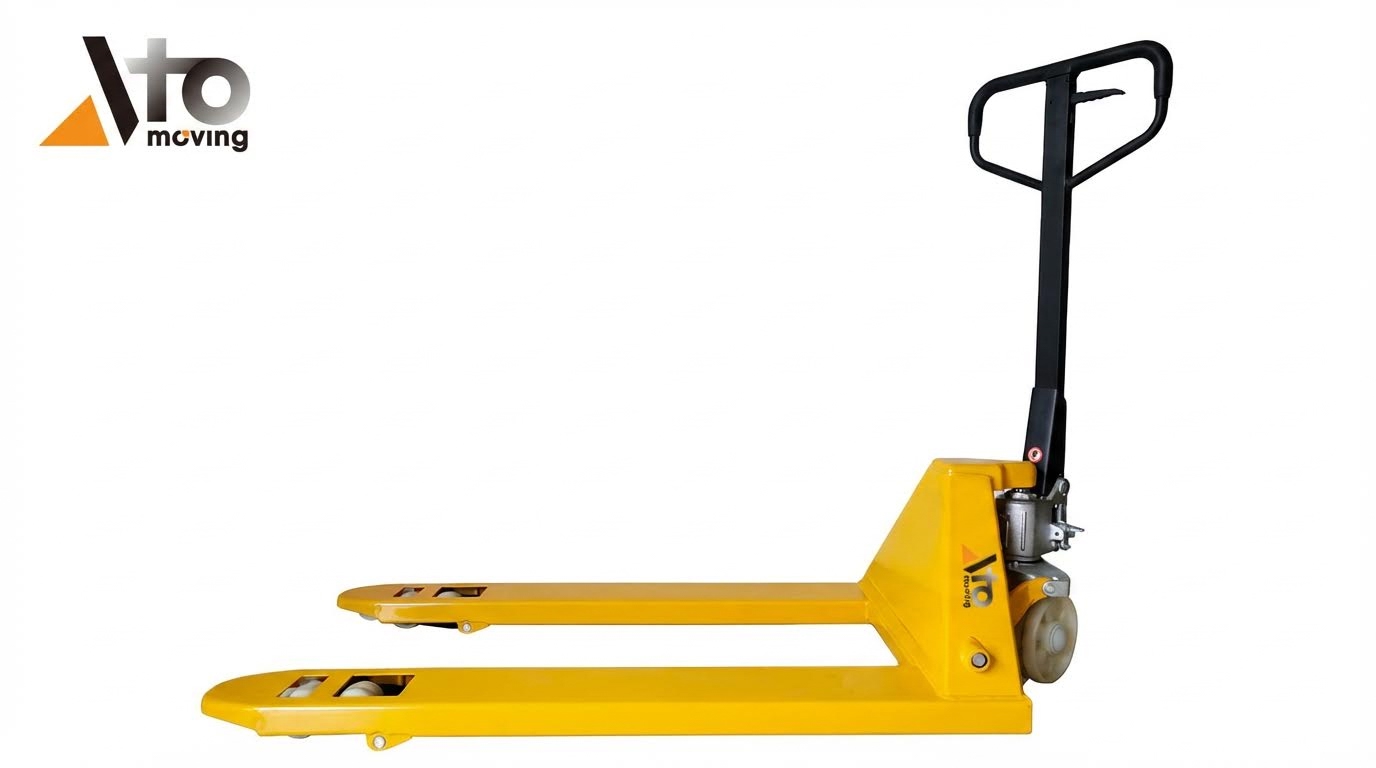
Pallet jack lifting failures typically originated from hydraulic issues: trapped air, low or contaminated fluid, worn seals, and damaged pumps or cylinders. Systematic troubleshooting reduced guesswork. Technicians first verified load, controls, and visible leaks, then bled air, checked fluid level and condition, and separated handle linkage faults from internal pump problems. This structured approach aligned with service manuals and reduced unnecessary component replacement.
Repair strategies focused on restoring hydraulic integrity. Replacing O-rings, seal kits, and valve cartridges re-established pressure where internal leakage occurred. Technicians addressed leaks by renewing hoses, fittings, and seals, and by flushing polluted oil that accelerated wear. Where pumps or cylinders showed cracking, deep scoring, or repeated failure after rebuilds, lifecycle analysis often justified replacing the hydraulic unit or the entire pallet jack, especially for older, heavily used fleets.
From an industry perspective, reliable pallet jack hydraulics directly supported warehouse throughput, safety, and regulatory compliance, including annual FEM-type inspections. Operations that embedded routine checks for fluid level and quality, leak points, wheel and fork condition, and brake performance experienced fewer unplanned stoppages. Digital tools, such as electronic manuals, parts databases, and maintenance logs, improved parts identification, torque accuracy, and traceability of repairs.
In practice, implementation required clear maintenance intervals, trained operators, and defined decision thresholds for “repair versus replace.” Facilities benefited from standardizing hydraulic fluids, seal materials, and service procedures across their pallet jack fleet. Over time, a balanced strategy emerged: frequent low-cost preventive actions, technically sound repairs when hydraulics degraded, and timely equipment renewal when further work no longer delivered safe, reliable lifting performance.